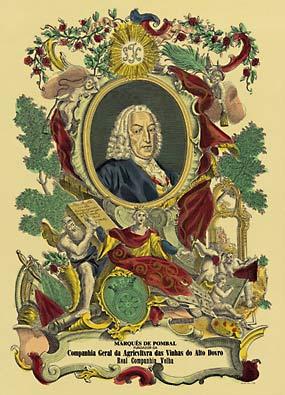
 Tenho estados a ler Estudos Durienses, um livro que fala do Douro nos séculos XVII e XVIII. Desconhecendo-se o nome do autor, este estudo foi feito em 1782 para a Academia Real das Sciencias, 201 anos antes de eu ter nascido e muitos muitos anos antes de a Quevedo ter feito o primeiro vinho.
Estou a achar o Estudos Duienses muito interessante e obrigatório para todos os amantes de vinhos portugueses. Uma das partes que gostava de comentar é a que diz respeito às castas utilizadas nessa altura.
Uma das dificuldades que os vinicultores tinham nessa altura era fazer vinhos encorpados e de cor intensa. Muitos dos vinhos eram demasiado suaves para o gosto dos britânicos. Esta falta de intensidade fazia com que muitos dos vinhos não fossem exportáveis. Houve algumas medidas reguladoras que tentaram inverter esta situação, que passava por uma menor produção e uma melhor qualidade dos vinhos obtidos:
– proibir a utilização de estrume nas vinhas
– proibir a utilização de baga de sabugueiro para aumentar a intensidade da cor dos vinhos
– arrancar ou enxertar com castas tintas todas as videiras de uvas brancas
Outra possibilidade para aumentar a qualidade seria através do cultivo de castas diferentes das que estavam a ser utilizadas. O autor do livro recomendou as seguintes castas, que fariam vinhos mais encorpados e com melhor sabor:
– alvarelhão
– pé agudo preto
– tinto cão
– sousão
O bastardo e donzelinho, adicionados em pequenas quantidades aos anteriores, fariam os vinhos mais suaves, macios e doces.
Mas os viticultores estavam mais preocupados com a quantidade em vez da qualidade e preferiam outras castas. E ainda que estas castas pudessem sofrer de alguns problemas como secar em anos de seca extrema, apodrecerem antes da vindima em anos chuvosos ou terem um período de vida mais curto, eram-lhes fieis:
– tourigo
– tinta-castelão
– tinta-borraçal
– tintas grossas
– tintas de França
Mais de 200 anos depois deste livro ter sido escrito e as castas recomendadas por o autor deste estudo continuam a ser preteridas. Em 2004 o alvarelhão, pé agudo preto, tinto cão e sousão representavam menos de 1% da área total de vinha. Gostava de saber se, desde o século XVIII até aos dias de hoje, houve alguém que apostasse nestas castas. Tem alguma ideia?
Por outro lado, os viticultores do Douro estão a concentrar-se em 5 castas (touriga nacional, touriga franca, tinto-cão, tinta roriz e tinta-barroca), representando cerca de 50% da área total de vinha. Não estaremos a cometer os mesmos erros de outras regiões e a perder alguma diversidade deixando para trás um considerável número de castas que algumas décadas ou séculos atrás eram as escolhidas pelos especialistas? Mas por outro lado também ajudamos o consumidor ao associarmos um reduzido número de castas aos vinhos do Douro.
Oscar Quevedo